High-Pressure Scuba Diving Air Hoses
Class II - ModerateWhat Should You Do?
- Check if you have this product: (About 200)
- Do not eat it: Even if it looks and smells fine, do not consume this product.
- Throw it away or return it: You can return the product to the store for a full refund.
- Report problems: Report any issues to the FDA's Safety Reporting Portal.
Recall Details
- Company:
- Unknown Manufacturer
- Reason for Recall:
- The diving hose that connects the regulator to the tank's pressure gauge can leak, posing a drowning hazard to the user.
- Classification:
- Class II - Moderate
Products that might cause a temporary health problem, or pose a slight threat of a serious nature.
- Status:
- ongoing
- Hazard:
- The diving hose that connects the regulator to the tank's pressure gauge can leak, posing a drowning hazard to the user.
- Remedy:
- Consumers should immediately stop using the hoses and contact Trident Diving Equipment for a free replacement hose.
Product Images
Product Information
Full Description:
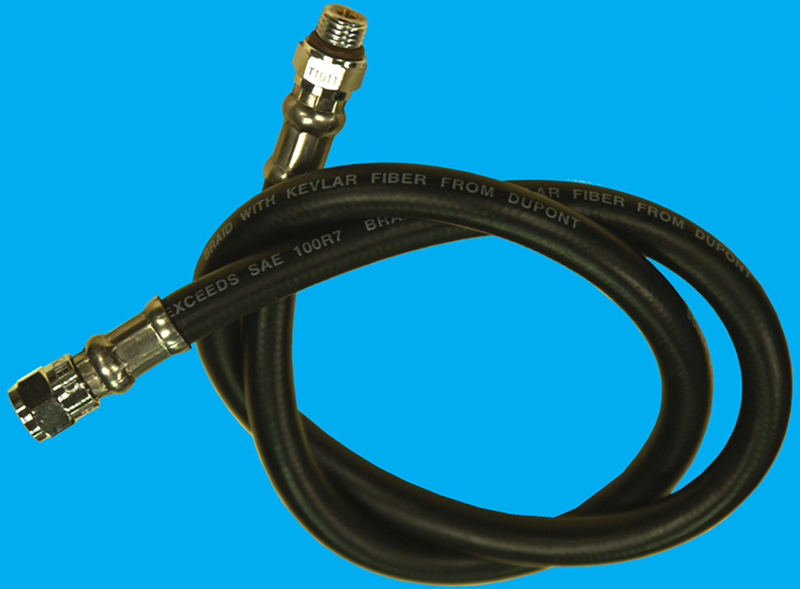
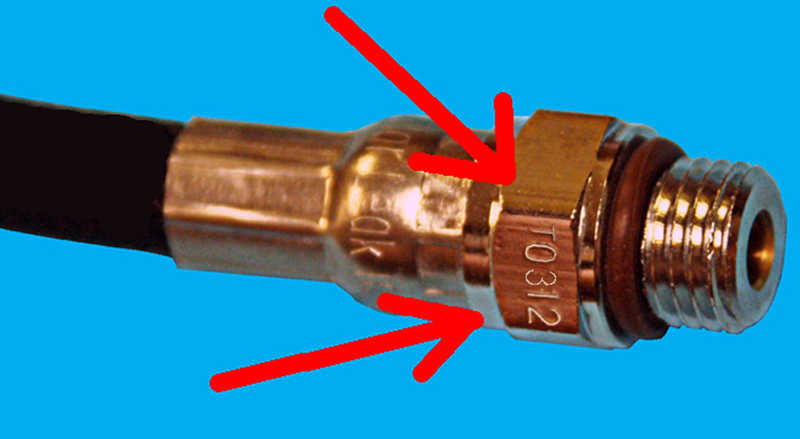
The recalled air hoses are high-pressure scuba air hoses with a black, smooth rubber outer covering. They are about five millimeters in diameter and 32 or 36 inches long. These hoses connect the regulator to the tank pressure gauge. The phrase "Scuba Diving High Pressure hose I.D. 3/16 (4.76 mm) W.P. 5000 PSI Exceeds SAE 100RT braid with Kevlar fiber from Dupont" is printed in white lettering on the hose's outer covering. The hoses have metal fittings on each end - one female fitting and one male fitting. "CE EN 250 230" is stamped on the female fitting and one of the following production date codes is on the male hex head fitting: T1011, T1111 or T0312.
Product Codes/Lot Numbers:
(About 200)
Official Source
Always verify recall information with the official CPSC source:
View on CPSC.govCPSC Recall Number: 13174
Related Recalls
FMHVR Hybrid Visors and ACCHVR Replacement Visor Accessories
Unknown Manufacturer
The recalled hockey visors and replacement visor accessories can crack upon impact, posing a risk of injury due to laceration or impact hazards.
Goal Zero YETI 3000X Portable Power Stations
Unknown Manufacturer
The recalled power station's circuit board can overheat, posing a risk of serious injury from fire and burn hazards.
JINHEZO Mini Waterproof LED Tea Lights
Unknown Manufacturer
The LED Tea Lights violate the mandatory safety standard for consumer products with button cell and coin batteries because the button batteries can be accessed easily by children, posing an ingestion hazard. Additionally, the packaging and product do not have the warnings required under?Reese's Law. When button cell or coin batteries are swallowed, the ingested batteries can cause serious injuries, internal chemical burns and death.