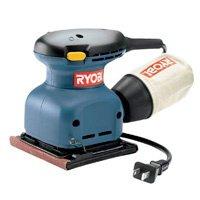
Ryobi ¼ Sheet Sanders
Class III - Low RiskWhat Should You Do?
- Check if you have this product: (About 300,000)
- Do not eat it: Even if it looks and smells fine, do not consume this product.
- Throw it away or return it: You can return the product to the store for a full refund.
- Report problems: Report any issues to the FDA's Safety Reporting Portal.
Recall Details
- Company:
- Unknown Manufacturer
- Reason for Recall:
- Pieces of the fan can break off from the fan assembly and be ejected from the product, posing a laceration hazard to consumers.
- Classification:
- Class III - Low Risk
Products that are unlikely to cause any adverse health reaction, but violate FDA regulations.
- Status:
- ongoing
- Hazard:
- Pieces of the fan can break off from the fan assembly and be ejected from the product, posing a laceration hazard to consumers.
- Remedy:
- Consumers should immediately stop using the recalled sander and contact One World Technologies to receive a free replacement sander.
Product Images
Product Information
Full Description:
This recall involves Ryobi brand sheet sanders, model S651D. The sander is blue and black. The word "Ryobi" is on the left side. The model number can be found on the data plate located on the side of the sander just below the handle.
Product Codes/Lot Numbers:
(About 300,000)
Official Source
Always verify recall information with the official CPSC source:
View on CPSC.govCPSC Recall Number: 11216
Related Recalls
FMHVR Hybrid Visors and ACCHVR Replacement Visor Accessories
Unknown Manufacturer
The recalled hockey visors and replacement visor accessories can crack upon impact, posing a risk of injury due to laceration or impact hazards.
Goal Zero YETI 3000X Portable Power Stations
Unknown Manufacturer
The recalled power station's circuit board can overheat, posing a risk of serious injury from fire and burn hazards.
JINHEZO Mini Waterproof LED Tea Lights
Unknown Manufacturer
The LED Tea Lights violate the mandatory safety standard for consumer products with button cell and coin batteries because the button batteries can be accessed easily by children, posing an ingestion hazard. Additionally, the packaging and product do not have the warnings required under?Reese's Law. When button cell or coin batteries are swallowed, the ingested batteries can cause serious injuries, internal chemical burns and death.